

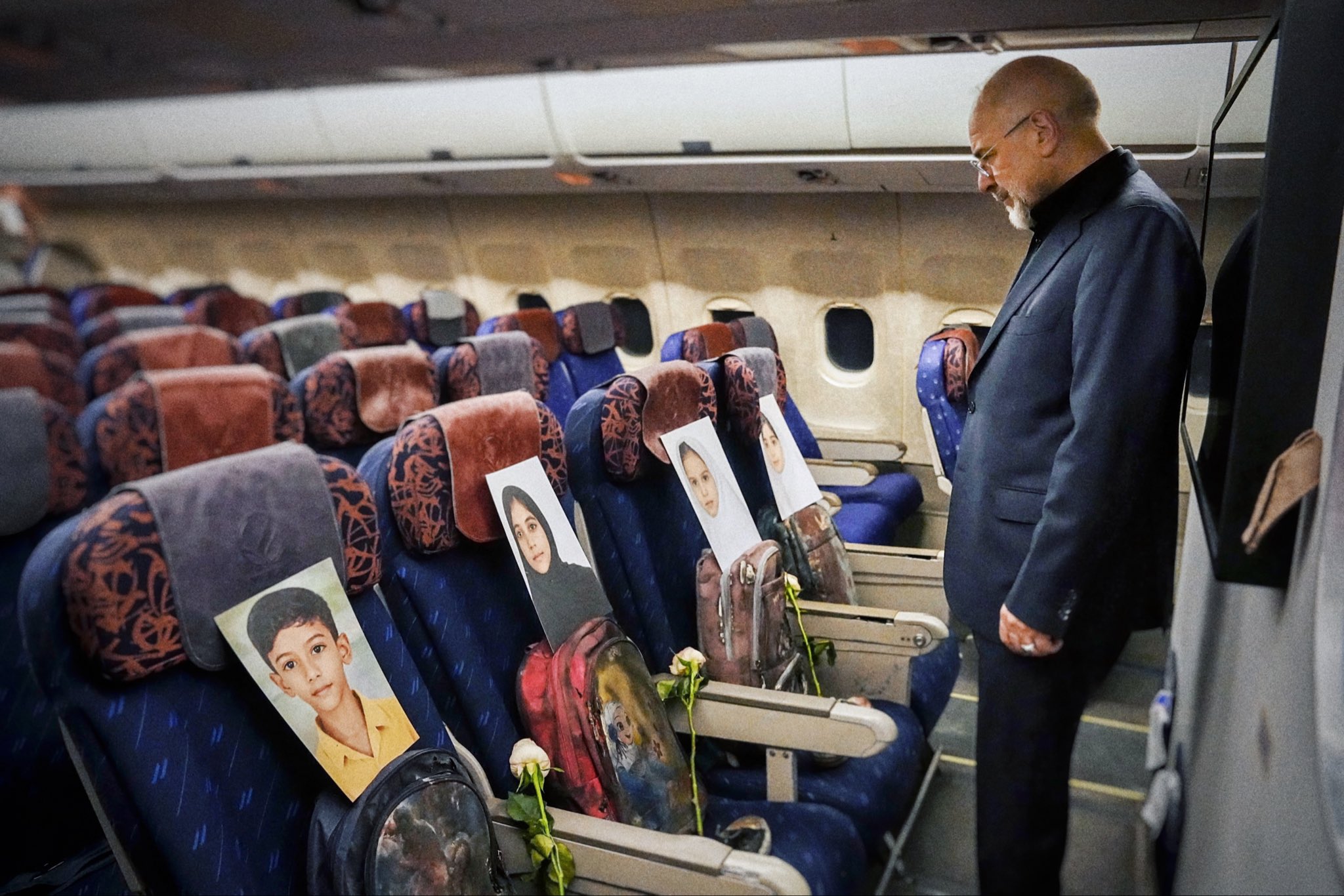



The U.S. and Iran didn’t reach an agreement after high-stakes talks in the Pakistani capital Islamabad, with US Vice President JD Vance saying Tehran has refused to accept Washington’s terms after 21 hours of negotiations in Islamabad. The peace talks was mediated by Pakistan as a part of a fragile 2-week ceasefire.
The Islamabad talks on Saturday (April 11) lasting 21 hours ended without a deal. The US Vice President JD Vance, the leader of Washington’s delegation, in three-minutes news conference at Islamabad, blamed Iran for not accepting American terms. “The simple fact is that we need to see an affirmative commitment that [Iran] will not seek a nuclear weapon, and they will not seek the tools that would enable them to quickly achieve a nuclear weapon. That is the core goal of the president of the United States, and that’s what we’ve tried to achieve through these negotiations,” Vance said.

Following the collapse of the talks, US President Donald Trump announced an immediate naval blockade of all ships trying to enter or leave the Strait of Hormuz. Iran’s Revolutionary Guard responded that Tehran fully controls the strait and will respond firmly to any military vessels attempting passage.
Iran’s Parliament Speaker Mohammad Bagher Ghalibaf, the leader of Tehran’s delegation on failed negotiations with the US in Islamabad, said in a post on X “Before the negotiations, I emphasized that we have the necessary good faith and will, but due to the experiences of the two previous wars, we have no trust in the opposing side. America has understood our logic and principles, and now it’s time for it to decide whether it can earn our trust or not.”

Earlier, Iran’s Foreign Minister spokesperson Esmaeil Baghaei said no agreement could be expected in just one meeting, citing “an atmosphere of mistrust” following weeks of war.
“These negotiations were held after 40 days of imposed war, and were held with the US in an atmosphere of mistrust and suspicion. It is natural that we should not have expected an agreement in just one meeting,” he added.
Pakistani mediators urged both the US and Iran to uphold the ceasefire, while Foreign Minister Ishaq Dar stated that Islamabad would attempt to arrange renewed dialogue between the two sides in the coming days. Previously, the plan was for the two delegations to sit in separate rooms while Pakistani mediators relayed messages between them. However, according to Al Jazeera, sources close to the mediators now report a significant change: the teams are engaging in direct talks, with Pakistani intermediaries still present.

Meanwhile according to Israeli news media i24, Israel has put the IDF on alert following the collapse of the talks between the U.S and Iran.
Iran’s IRGC remains confident it could deny the US and its allies access to regional oil and gas for years if Trump attacks its infrastructure, as Tehran has completed new vessel-traffic protocols for the Strait of Hormuz and received transit requests from over 100 ships. The joint US-Israeli military assault on Iran triggered the largest oil supply disruption in the history of global energy markets.
More than 3,300 people have been killed in the US-Israeli attacks on Iran, the Mehr agency reported, citing Jafar Miadfar, the head of Iran’s Emergency Medical Services Organization. Thus, the overall death toll stands at 3,375 people, including more than 2,800 men and around 500 women. Twenty-six medical workers have killed and 188 have been wounded.
Md Irshad Ayub is an English editor at millat times and Delhi-based freelance journalist.