




Jammu and Kashmir Chief Minister Omar Abdullah, opposition leaders and a prominent Muslim religious body have opposed a Waqf Board plan to introduce common themes for Friday sermons, raising concerns over religious autonomy and who should determine what is preached in mosques.
The Jammu and Kashmir Waqf Board, chaired by Syed Darakhshan Andrabi, decided on Saturday to form a core committee of muftis, imams and khateebs to finalise sermon topics in advance for mosques, shrines and other religious institutions associated with the board.
The board says the initiative is intended to promote religious awareness, social harmony and moral values, while encouraging religious leaders to address social problems, including drug abuse and issues affecting women. It says the committee will comprise religious scholars and that government officials will not directly select the topics.
Abdullah described the proposal as an attempt by the Bharatiya Janata Party to interfere in Muslim religious affairs and called on Andrabi to halt the move.
“This is an unacceptable attempt by the BJP to interfere in the religious affairs of Muslims and will not be accepted under any circumstances,” Abdullah said.
He accused the BJP-appointed board chairperson of trying to please her political leadership.
Peoples Democratic Party president Mehbooba Mufti said Friday sermons should reflect public concerns and be guided by religious scholars rather than political directives.
“The BJP cannot use Waqf to dictate what our Imams preach or what our Maulanas and Muftis speak about,” Mufti said.
She called for the Waqf Board to be handed over to an elected government and proposed that the Muttahida Majlis-e-Ulema (MMU), headed by Kashmir’s chief cleric Mirwaiz Umar Farooq, vet the sermons.
Mufti said the proposal raised concerns about religious freedom and the autonomy of Muslim institutions, linking the controversy to opposition to the Waqf Amendment Bill and concerns over Muslims’ control of their religious properties.
National Conference chief spokesperson Tanvir Sadiq also demanded the withdrawal of the directive, questioning whether the BJP would decide what imams and khateebs should say during Friday prayers.
Sadiq said religious scholars spent years studying the Quran and Hadith and should be free to frame sermons according to Islamic teachings and the concerns facing their communities.
“I do not want a letter from the BJP telling imams what they have to read,” he said.
National Conference leader Imran Nabi Dar accused the BJP of seeking to influence religious discourse in Kashmir, saying the proposed arrangement could determine which issues preachers addressed and which they left out.
Budgam MLA Aga Muntazir Mehdi said the Waqf Board should focus on managing religious properties and institutions rather than prescribing sermon topics. Religious scholars, he said, were capable of identifying issues affecting their communities.
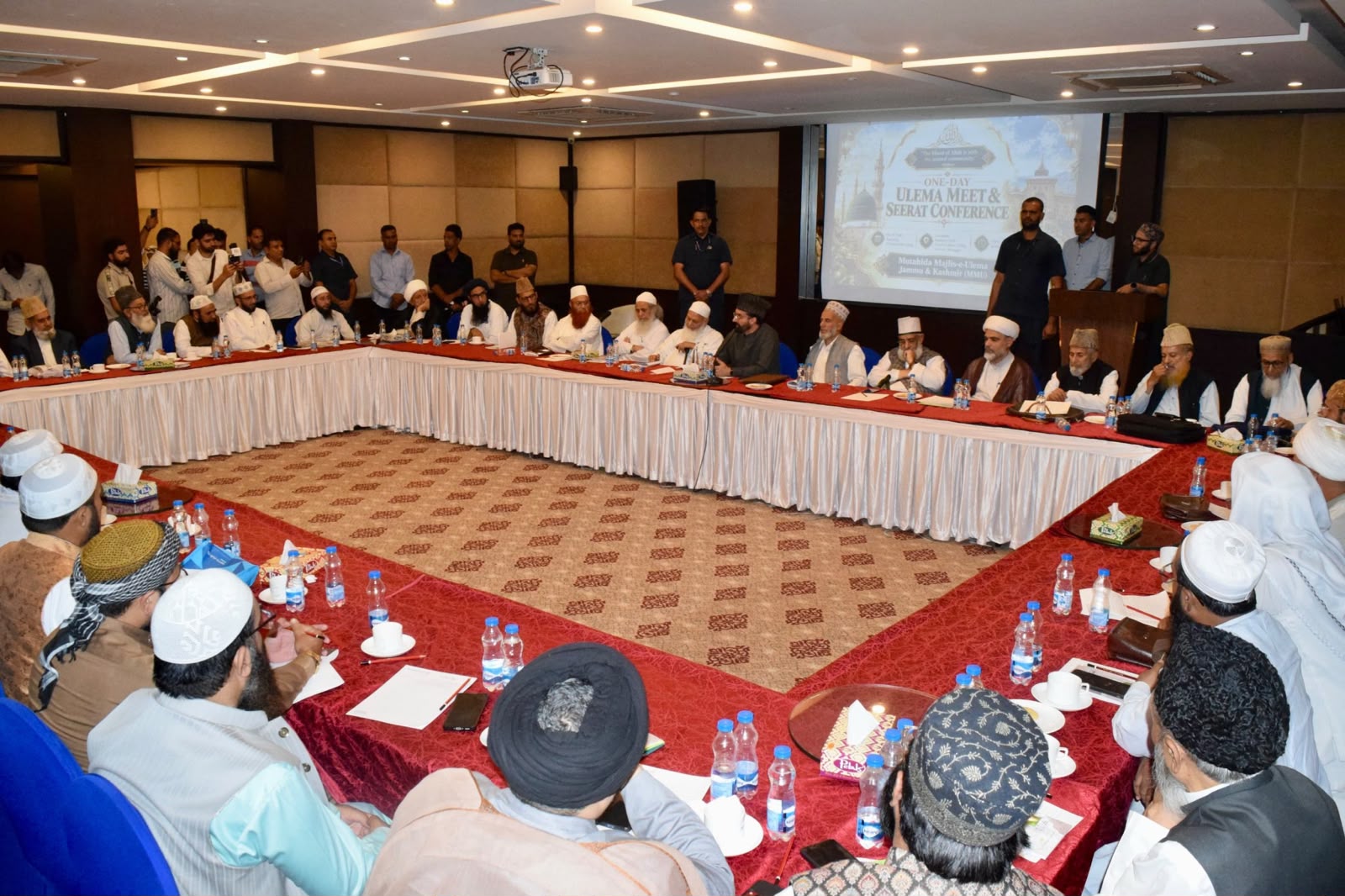
The MMU, an umbrella body of religious and socio-religious organisations headed by Mirwaiz Umar Farooq, also rejected the proposal, saying religious guidance was the domain of the ulema, imams and recognised religious institutions.
The body said even the suggestion that a statutory institution could regulate what was preached from the pulpit was unacceptable.
Aga Ruhullah Mehdi, another National Conference leader, said the pulpit would lose its institutional value if it surrendered to political authority.
“The pulpit loses its essence and institutional value if it surrenders to power. It was never meant to bow down and it never should,” he said.
He called for the proposed order to be withdrawn, arguing that no committee should dictate what Islamic scholars preached in mosques.
The board’s stated rationale
The Waqf Board says its initiative aims to bring religious scholars from different schools of thought together and promote a coordinated approach to social issues. Andrabi has said the proposed committee would select the themes and that the traditional khutba associated with the Prophet Muhammad would remain unchanged.
The plan follows a meeting of religious scholars and preachers at the board’s office in Srinagar on Saturday, where participants discussed common themes for Friday sermons and other religious occasions. The board also sought suggestions on involving mosques outside its direct network.
The controversy comes as the MMU has separately announced plans to begin coordinated Friday sermons in participating mosques and imambargahs from October 16. The first sermon under its programme is to focus on faith, with subsequent themes expected to include drug abuse, suicide, mental health, challenges facing young people and environmental responsibility.
Support Independent Media
Click Here and Join the Membership of Millat Times to Support Independent Media.
Support Millat Times