
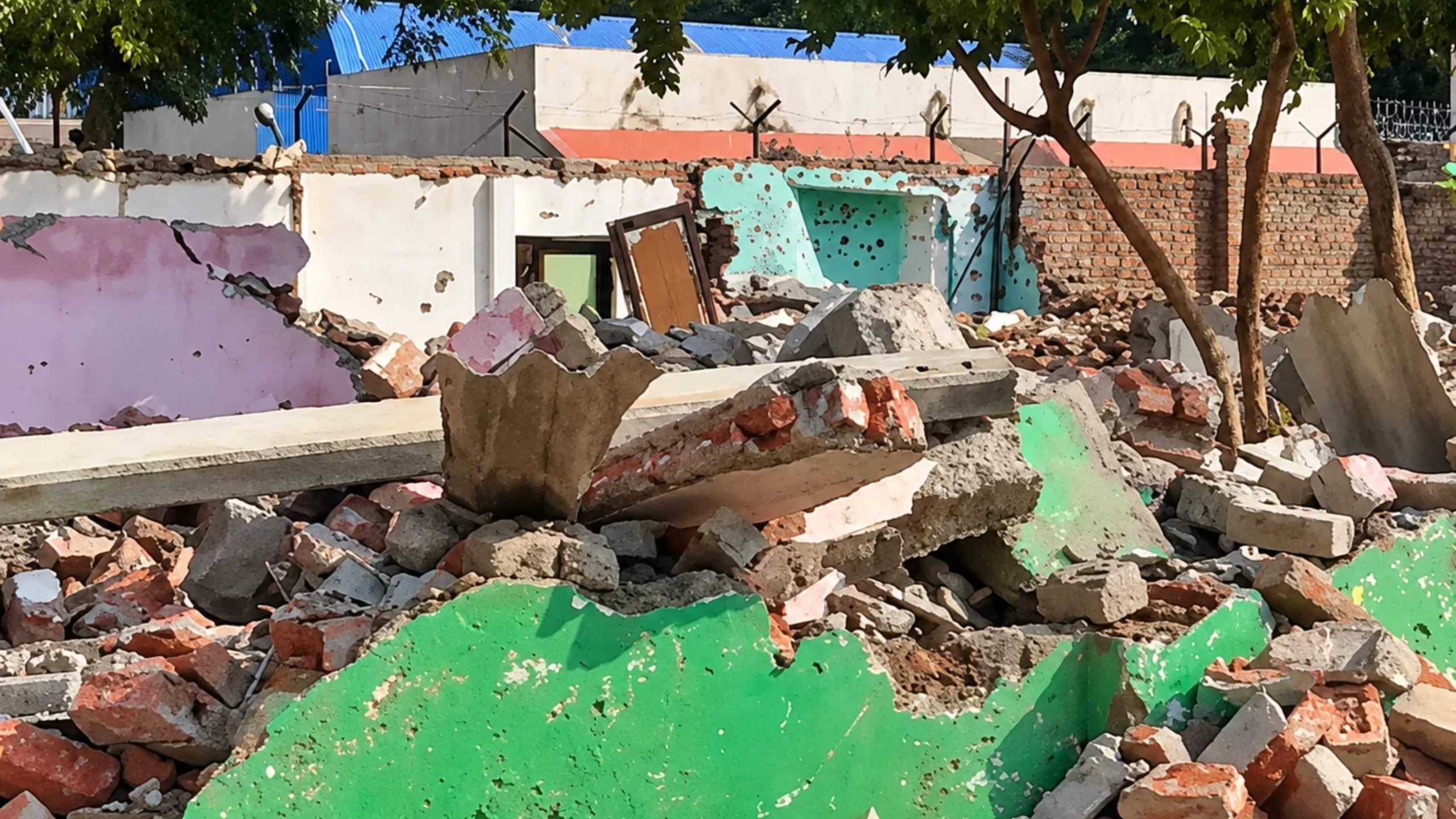


More than 700 families living in slum settlements near Race Course Masjid in New Delhi have faced eviction and displacement amid a demolition and relocation drive, raising concerns over housing, livelihoods and the rehabilitation of affected residents.
The affected settlements include Bhai Ram Camp, Masjid Camp and DID Colony, located near the Jaipur Polo Ground and close to the Prime Minister’s official residence at Lok Kalyan Marg. Residents have expressed concern that relocation to Savda Ghevra in outer Delhi, approximately 45 kilometres away, could disrupt their access to employment, schools and essential services. Reports have documented demolition activity and the displacement of residents in the area.
Many families have lived in the settlements for decades and depend on nearby areas for daily-wage work and other informal employment. Residents have argued that moving far from their existing neighbourhoods could place additional financial pressure on families already struggling to secure stable housing.
The Delhi High Court has been involved in the eviction proceedings. In August, the court ruled that the government’s eviction order was not illegal and constituted a committee to monitor rehabilitation. Residents have continued to raise concerns about facilities at the proposed resettlement site and have sought rehabilitation that allows them to preserve their livelihoods and their children’s education.
The housing dispute has also drawn attention to the separate controversy surrounding the historic Race Course Masjid. The Land and Development Office (L&DO) issued a six-day eviction notice for the mosque, describing the premises as unauthorised government land. Mosque representatives, however, have cited its recognition as a Waqf property and its inclusion in the New Delhi Municipal Council’s heritage register. The mosque’s future remains subject to a legal dispute.
AIMIM chief Asaduddin Owaisi called on Union Minority Affairs Minister Kiren Rijiju to intervene in the mosque case. In a post on X, Owaisi said, “Despite the masjid being a gazetted waqf property since 1977, the waqf board did not challenge the demolition order. Neither did it make any effort to resolve the issue.” He also questioned the Delhi Waqf Board’s failure to act.
Jamiat Ulama-i-Hind has also urged the government to intervene to protect the historic Race Course Masjid and its adjoining graveyard. On October 19, a delegation led by the organisation’s general secretary, Maulana Muhammad Hakimuddin Qasmi, met Union Minority Affairs Minister Kiren Rijiju submitted a memorandum on behalf of its president, Maulana Mahmood Asad Madani.
The organisation sought protection for the mosque and graveyard, restoration of electricity and water supplies, and the resumption of prayers. It also highlighted the mosque’s religious, historical and legal significance and called for immediate intervention to prevent its demolition.
According to Jamiat’s official statement, Rijiju assured the delegation that he would make every possible effort to address the matter. The organisation said it would pursue available legal remedies to protect the mosque and the adjoining graveyard.
Congress MP Dr Syed Naseer Hussain criticised the demolition drive and called on the Delhi government to ensure relief and rehabilitation for the affected families.
In a post on his official X account, Hussain said that the demolition of homes belonging to more than 700 families near the historic Race Course Masjid had left hundreds of families homeless and worried about their future and shelter.
He wrote that demolishing homes without ensuring the dignity, rehabilitation and security of affected families reflected a serious failure on the part of the BJP government.
Hussain demanded that the Delhi government provide immediate relief to all affected families and ensure dignified resettlement.
His remarks add to the growing political criticism surrounding the displacement, particularly over concerns that families could lose access to their existing jobs, children’s education and essential services if relocated far from their current neighbourhoods.
Residents said, “We are not opposed to development or any government initiative. We only want our families to be rehabilitated in a place where we can continue our jobs, our children’s education, and live our normal lives with dignity.” The residents were unable to meet Gandhi during the visit and requested an appointment.
The developments have brought renewed attention to the challenges facing families displaced from long-established settlements in the capital. Residents continue to seek rehabilitation that protects their housing, employment and access to education while authorities proceed with the clearance and relocation process.
Support Independent Media
Click Here and Join the Membership of Millat Times to Support Independent Media.
Support Millat Times