
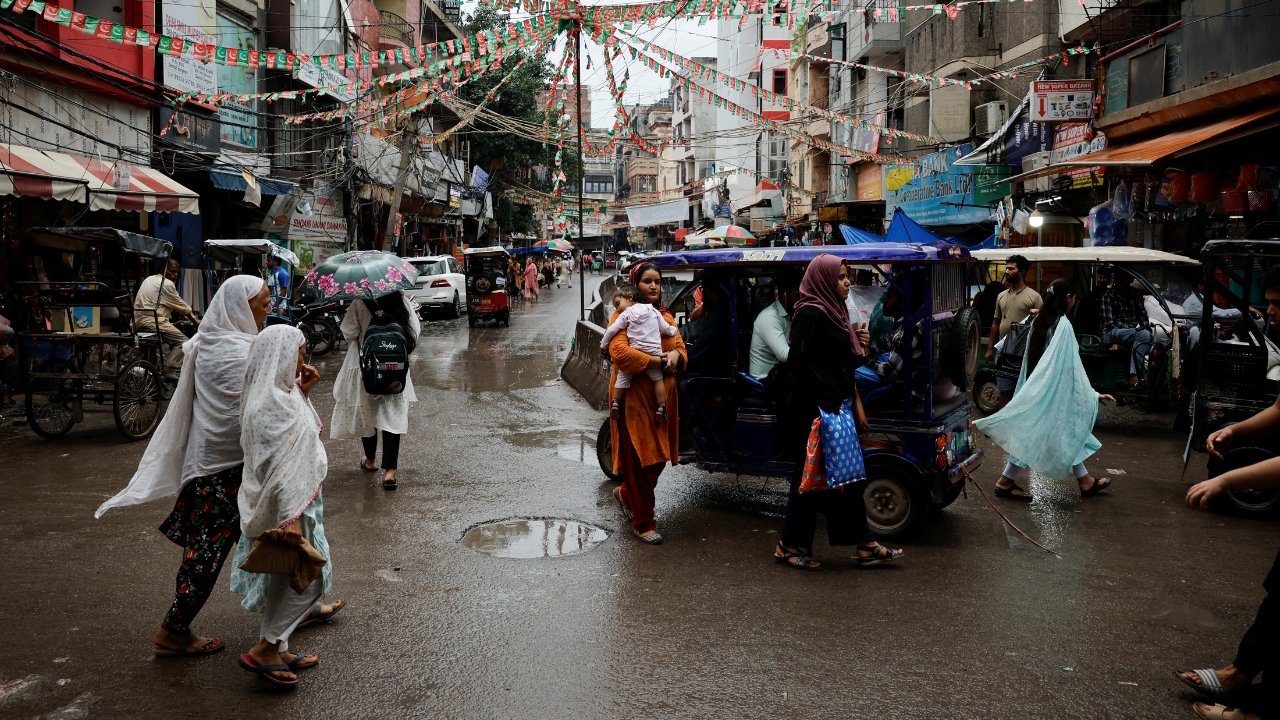




South East Delhi is likely to emerge as the district most affected by deletions from the draft electoral roll under the ongoing Special Intensive Revision (SIR), with nearly 7 lakh names potentially left out when the draft list is published on Aug. 24, the Indian Express reported.
The district recorded Delhi’s lowest rate of digitisation of enumeration forms, with only 56.32% of forms uploaded by the end of the enumeration phase. The figures have raised particular concern in Muslim-populated areas such as Okhla, where a large migrant and tenant population may be more vulnerable to being missed during door-to-door verification.
The figures, however, do not indicate that the proposed deletions are specifically of Muslim voters. The Election Commission has not published data on exclusions by religion. The concern among Muslim residents is instead linked to the nature of the exercise and the demographic profile of several neighbourhoods in the district.
According to data from the office of Delhi’s Chief Electoral Officer, enumeration forms for 97.47 lakh of the capital’s 1.45 crore electors had been collected and uploaded by Monday, the final day of the enumeration exercise.
That leaves 47.62 lakh names classified as “uncollectible”. The category includes electors who could not be contacted, may have shifted residence, died, appeared as duplicate entries or could not be reached for other reasons.
South East Delhi had 15.5 lakh electors before the SIR exercise. With only 56.32% of forms digitised, close to 7 lakh names could be absent from the draft roll.
The district covers areas including Okhla, Sangam Vihar, Badarpur, Jangpura, Tughlakabad and Kalkaji. Several parts of the district have large low-income settlements and a substantial population of migrant workers.
Booth Level Officers (BLOs) had earlier told The Indian Express that frequent movement among labourers made it difficult to complete the exercise. Some workers had also undertaken the SIR process in Uttar Pradesh and Bihar, where they retained family or permanent addresses.
For Muslim residents, particularly in densely populated areas such as Okhla, the possibility of names being missed has become a significant concern. Many residents live in rented accommodation or maintain links with their places of origin outside Delhi.
The issue is therefore not simply one of religion. It is also about mobility, documentation, rental housing and whether residents were available when BLOs visited their addresses.
New Delhi district recorded a digitisation rate of 60.76% and is also expected to see a sizeable reduction in its electoral roll. Around 60,000 names could be excluded at the draft stage.
The district includes the Lutyens’ area and Delhi Cantonment, where government employees and members of the armed forces are more likely to move because of transfers.
South Delhi recorded a digitisation rate of 61.32%, while Central Delhi stood at 61.96%.
Officials in the CEO’s office had previously estimated that between 30% and 40% of Delhi’s names could eventually be removed from the electoral rolls. They cited the movement of migrant workers, government employees and private-sector professionals as major reasons for voters not updating their addresses.
The highest digitisation rates were recorded in parts of Delhi with a larger rural population.
Outer North Delhi recorded the best rate, at 75.68%. The district includes areas such as Narela, Bawana and Mundka.
South West Delhi, which includes Najafgarh, Bijwasan, Dwarka and Matiala, recorded a rate of 73.16%.
North East Delhi, the district with the largest electorate at 18.7 lakh, recorded a digitisation rate of 70.94%.
The difference between districts suggests that areas with more transient populations are facing greater difficulties in completing the enumeration process.
The numbers expected to be left out of the Aug. 24 draft roll should not be treated as the final number of voter deletions.
Electors whose forms were incomplete or whose eligibility requires further verification may receive notices and be asked to provide supporting documents.
The Election Commission has also said that eligible voters who find their names missing from the draft roll will have an opportunity to seek inclusion during the claims-and-objections period.
The final electoral roll is scheduled to be published on Oct. 27. Until then, the actual number of voters removed from Delhi’s rolls will remain uncertain.
For Muslim voters in South East Delhi, the immediate concern will be to check the draft roll once it is published and, if a name is missing, use the prescribed claims process to seek restoration.
Support Independent Media
Click Here and Join the Membership of Millat Times to Support Independent Media.
Support Millat Times