
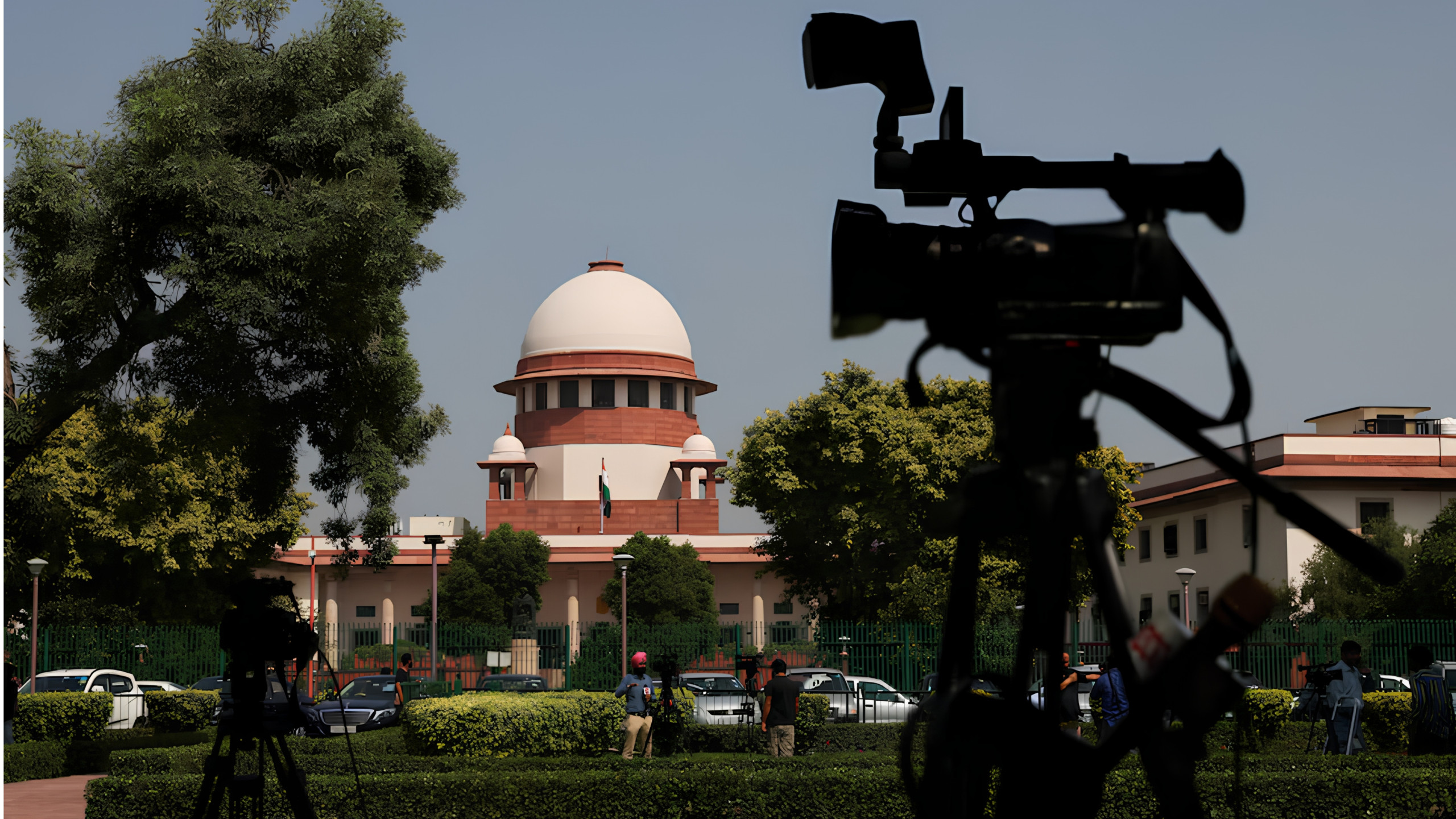


The Digital News Publishers Association (DNPA), representing 21 major news organisations, has challenged provisions of India’s Digital Personal Data Protection (DPDP) Act, 2023, and the DPDP Rules, 2025, in the Supreme Court, arguing that the law could undermine press freedom and obstruct investigative journalism.
On October 27, the Supreme Court issued notice to the Centre on the petition, which questions the absence of a specific exemption for journalistic activities. The next hearing is scheduled for November 17.
During the hearing, senior advocate Madhavi Goradia Divan, appearing for the petitioners, warned that the law could fundamentally change how news is gathered and published.
“This is the first comprehensive petition by ‘legacy media’. We are the traditional, conventional legacy media. This will change the whole concept of news,” she told the court.
“If I am left to the mercy of the data principal on whether he or she will give consent, the concept of news will be gone,” Divan argued, adding that requiring journalists to seek permission before reporting could lead to pre-censorship.
The DNPA contends that the law’s consent requirements could make it difficult for journalists to investigate corruption, misconduct by public officials and other matters of public interest. Seeking permission from the very individuals being investigated could alert them to an inquiry, potentially allowing evidence to be destroyed or witnesses to be intimidated.
Publishers have also raised concerns about provisions allowing individuals to withdraw consent and seek the erasure of personal data. They fear these provisions could be used to demand the removal or alteration of previously published reports, affecting digital news archives and the public record.
The petition further challenges provisions empowering the Centre to seek information from organisations and intermediaries. According to the publishers, these powers, combined with restrictions on disclosing certain government requests, could expose confidential journalistic sources and discourage whistleblowers from sharing information.
The association has also questioned amendments to the Right to Information (RTI) Act, arguing that the revised provision on personal information could restrict access to records relevant to public accountability.
Chief Justice of India Surya Kant said safeguards must balance citizens’ privacy rights with the media’s role in a democracy.
“You are the domain experts. You are the best person to suggest the Union and us how you will ensure there’s no misuse,” the Chief Justice told the petitioners, according to media reports.
The law aims to protect individuals’ digital personal information, but the publishers argue that the absence of a clear journalism exemption could impose significant legal and financial burdens on news organisations.
The Centre has indicated that it is willing to consider media organisations’ concerns. The Supreme Court is yet to decide the constitutional challenge, leaving a key question before it: how can the right to privacy be protected without weakening press freedom and the public’s right to know?
Support Independent Media
Click Here and Join the Membership of Millat Times to Support Independent Media.
Support Millat Times