
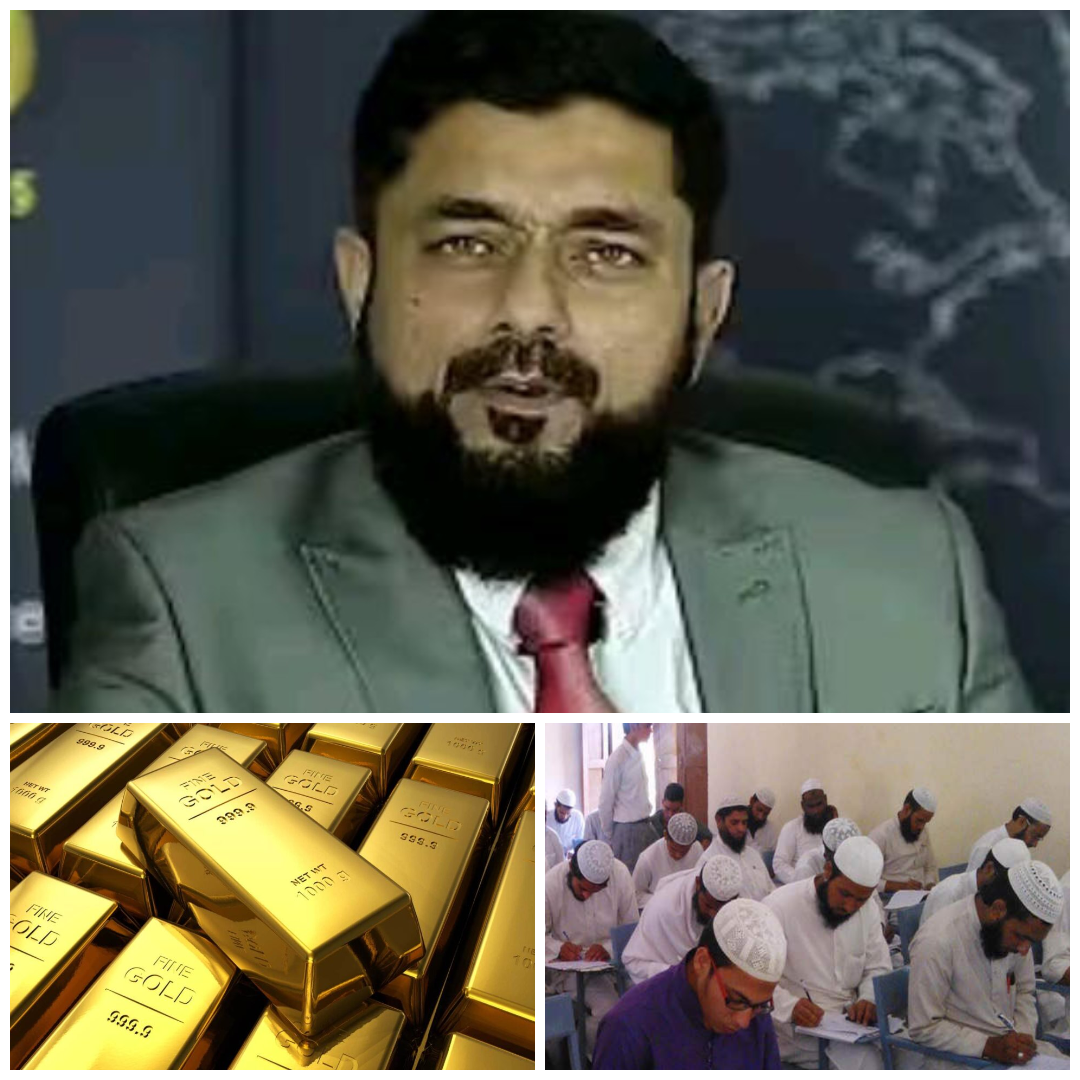




Shams Tabrez Qasmi
For Abdul Rashid, the decision felt safe at the time. It was recommended within trusted circles, spoke the language of faith, and promised steady returns.
The Ghaziabad resident invested ₹2.5 lakh in what was promoted as a Shariah-compliant investment opportunity linked to gold trading. Two years later, he says the money is gone.
“I thought it was secure because it came through people we trust in the community,” Rashid said. “Now there is no clarity, only regret.”
Rashid is one of thousands of people who claim to have been affected by an alleged investment scheme run by Sameer Ahmed Khan, a Lucknow-based businessman who promoted “Sameer Gold Business” under the Jamaat-e-Raza-e-Ilahi Foundation.
According to investors and those familiar with the matter, more than 20,000 people, many of them mosque imams, madrasa teachers, widows and low-income families, may have invested in the scheme over several years. The total alleged amount involved is estimated to be over ₹100 crore.
What makes the case striking is the profile of the victims. Many were religious workers earning between ₹5,000 and ₹15,000 a month. Some invested savings built over years. Others borrowed money or pooled community donations, believing they were entering a legitimate, faith-based business model.
For years, the operation appeared credible to many participants.
Investors say Khan built trust slowly through WhatsApp groups, personal contacts and religious networks. He spoke about Islamic principles of trade, charity and ethical earning. Messages often highlighted community welfare and financial upliftment for imams and madrasa teachers.
Over time, the network expanded across states. Photographs of charity work, aid distribution and community activities were widely circulated. Some investors were reportedly sent on Umrah pilgrimages. Gifts such as perfumes, clothing and bonuses also reinforced confidence in the scheme.
“He seemed committed to helping the community,” said a madrasa teacher from Uttar Pradesh who requested anonymity. “When respected people in our circle supported it, no one doubted it.”
Early investors say they initially received monthly returns on time. That consistency helped build further trust, drawing in more participants through word of mouth. Imams recommended it to fellow imams, teachers introduced relatives, and WhatsApp groups multiplied.
By 2022, the network had grown significantly.
Then payments began to slow.
Investors say withdrawals became irregular, followed by delays and unanswered requests. Explanations varied, but eventually payments stopped altogether. Many say they have not received their invested money since.
The financial impact has been severe, but victims say the emotional burden is heavier. Several admit they are hesitant to speak publicly due to embarrassment and fear of social stigma. In close-knit religious communities, those who promoted the scheme now face difficult questions.
“The people trusted us because we trusted him,” said an imam from Bihar. “Now we don’t know how to face them.”
Concerns have also been raised about how the business operated. Investors claim funds were routed through multiple personal bank accounts and UPI IDs rather than a registered company. Many say they were shown claims of gold trading operations and international business activity, but never saw verifiable proof.
Questions remain over registration, office locations and the actual structure of the business.
Several investors allege that promised offices and operations in India and Dubai could not be independently verified. Attempts to visit or inspect facilities were reportedly discouraged.
Meanwhile, affected families continue to wait for answers.
Some say they invested life savings, while others took loans hoping for stable monthly returns. Many are now left dealing with financial stress and uncertainty.
The case highlights how financial vulnerability, trust in community networks and religious credibility can combine to create powerful but risky investment environments. Experts note that schemes promising unusually high returns, especially without transparency, often carry significant risks.
Whether authorities will be able to recover funds remains unclear. Some complaints have reportedly been filed, but progress is limited, according to victims.
For now, thousands are left with unanswered questions and lost savings.
Behind the alleged ₹100-crore scheme are stories of trust and loss, of madrasa teachers, imams and families who believed they were investing in a better future.
Instead, many say they are still waiting for justice, and for their money to return.
(Some names have been changed on request for privacy)
Support Independent Media
Click Here and Join the Membership of Millat Times to Support Independent Media.
Support Millat Times