




Follow Millat Times for independent journalism.
Opens the app if installed, or Google Play to download it.By Ayesha
The NIA accused the separatist leader of helping plan unrest in Kashmir, receiving money through illegal channels and maintaining links with militant organisations. Khan disputed the evidence, including an undercover television sting operation.
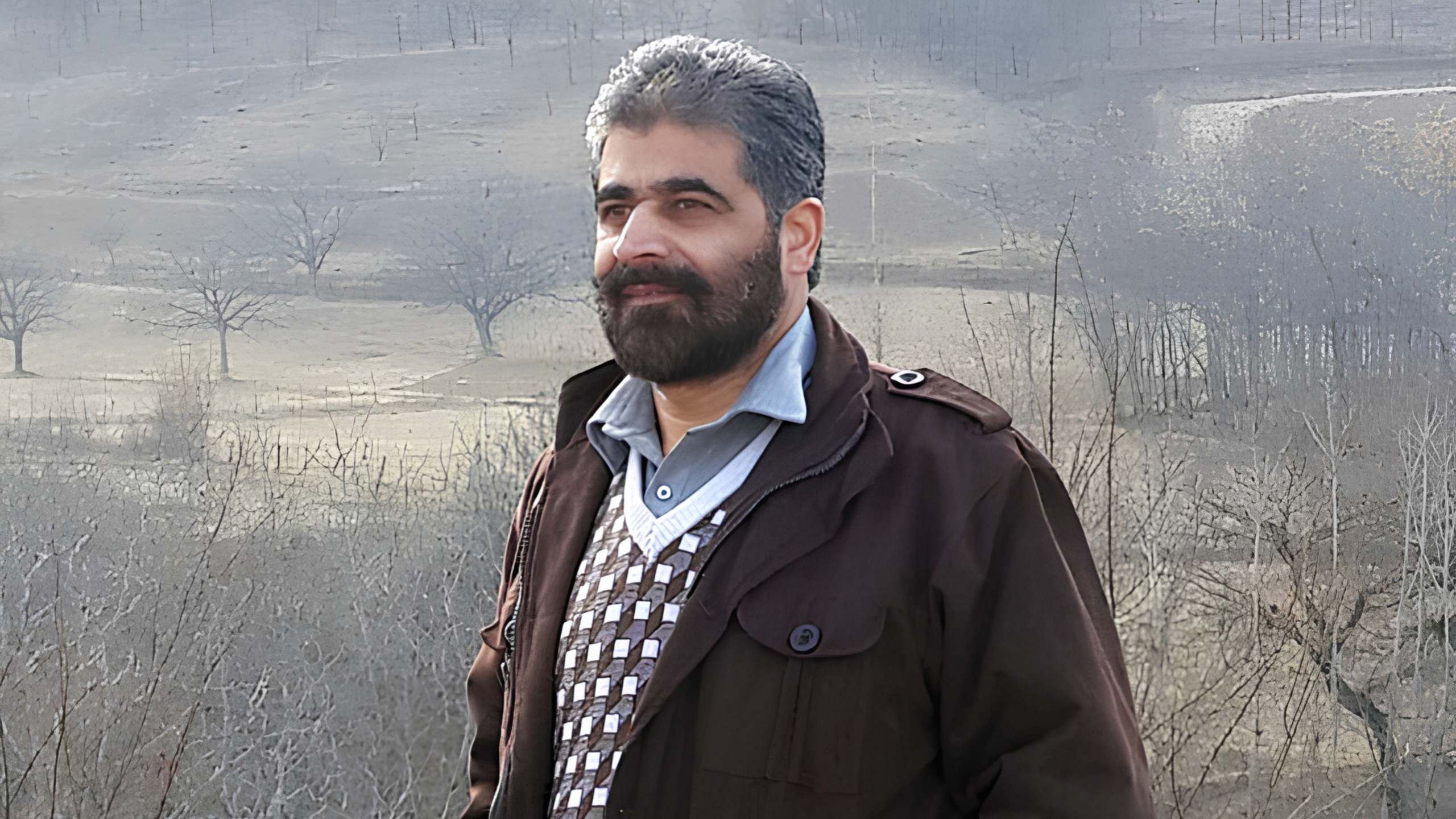
The Supreme Court on Monday, November 23, 2026 granted bail to Kashmiri separatist leader Nayeem Ahmad Khan in the 2017 terror-funding case, noting that although the allegations against him were serious, he had spent more than nine years in custody. The court set aside a Delhi High Court order rejecting his bail appeal and directed his release subject to conditions imposed by the trial court.
The decision came after two earlier interventions by the Supreme Court this year to speed up the examination of witnesses. In August, it directed the trial court to prioritise eight witnesses, including those connected with an undercover sting operation on which the NIA has relied. In October, it directed the examination of two further witnesses within four weeks.
The latest bail (November 23) order does not examine the merits of the allegations against Khan. It expressly states that the court had formed no opinion on the merits of the case.
Khan was arrested by the NIA on July 24, 2017, after being summoned and questioned for several days. Several other separatist leaders were arrested in the days and the months that followed, making the case one of the most consequential cases against separatist politicians in Kashmir in the past decade. Khan has remained in judicial custody since his arrest.
The case, registered as RC-10/2017/NIA/DLI on May 30, 2017, concerns allegations that separatist leaders in Jammu and Kashmir received funds from Pakistan and other sources through hawala and other illegal channels to finance protests and militant activities in the Valley.
The NIA’s case
The NIA registered the case following information that Hafiz Saeed, the chief of Pakistan-based Jamaat-ud-Dawa, was allegedly conspiring with separatist leaders and members of the Hurriyat Conference to raise funds for activities intended to disrupt the Kashmir Valley. Jamaat-ud-Dawa is banned in India.
The agency alleged that money was collected domestically and from abroad, including through hawala networks, and used to organise stone-pelting, demonstrations, shutdowns and attacks on security forces, as well as to damage public property and burn schools.
The investigation named members and cadres of several organisations, including Hizbul Mujahideen, Lashkar-e-Taiba and Dukhtaran-e-Millat.
In its chargesheet, the NIA described Khan, chairman of the Jammu and Kashmir National Front and associated with the Hurriyat faction led by Syed Ali Shah Geelani, as one of the alleged strategists and planners of the conspiracy.
The Jammu Kashmir National Front was banned in India in March 2024.
The agency alleged that protests and shutdowns in Kashmir were not spontaneous but were coordinated through meetings and protest calendars prepared by separatist leaders. It claimed that Khan participated in these meetings and helped formulate plans for demonstrations and other activities.
Khan was named as an accused in the first chargesheet, filed on January 18, 2018, against 12 people. The list included businessman Zahoor Ahmad Shah Watali and former militant Aftab Ahmad Shah, also known as Shahid-ul-Islam. Pakistan-based Hafiz Saeed and Hizbul Mujahideen chief Syed Salahuddin were named as absconding accused.
The sting operation
One of the prominent pieces of evidence cited by the NIA against Khan is an undercover sting operation conducted by India Today.
According to the agency, Khan made statements in the recording about separatist leaders receiving money from Pakistan to organise protests and unrest after the killing of Hizbul Mujahideen commander Burhan Wani in July 2016.
The NIA alleged that Khan spoke about the receipt of funds running into crores of rupees through hawala channels, including money originating in Saudi Arabia and Dubai. It also relied on a forensic examination by the Central Forensic Science Laboratory, which it said matched Khan’s voice with the recording.
The agency cited the recording to allege that Khan could mobilise protests and stone-pelting if provided with money. It also relied on statements of journalists and others involved in the sting to corroborate its account.
Khan’s lawyers disputed the NIA’s interpretation of the recording. They argued that the sting had been selectively presented and that portions of the conversation providing context had been withheld. They questioned the circumstances in which the recording was made, describing the interaction as an attempt by reporters to induce Khan into making statements.
The defence argued that the recording could not, by itself, establish that Khan had actually received or transferred money for militant activities. It also questioned its admissibility and said the NIA had not produced independent documentary evidence corroborating the alleged financial transactions.
The Delhi High Court considered the sting while rejecting Khan’s bail appeal in April 2025. It said the recording and the statements of those involved in the operation could not be brushed aside at the bail stage. The court, however, did not conduct a trial on the recording’s admissibility or conclusively determine its evidentiary value.
Letters, medical admissions and alleged links
The NIA also relied on two letters dated March 10 and March 17, 2006, allegedly written by a local commander of Hizbul Mujahideen seeking financial assistance from Khan. The agency cited another letter which it said thanked him for providing financial assistance.
Investigators also claimed to have recovered 21 blank letterheads bearing the name of Lashkar-e-Taiba from Khan’s possession. The agency relied on these documents to allege that he maintained links with the banned organisation.
Another part of the prosecution’s case concerned recommendations for students seeking admission to medical colleges in Pakistan.
The NIA alleged that Khan helped students, some of them related to former militants or families of active militants, obtain admissions to medical colleges. It claimed that commissions earned through these recommendations were used to finance militant activities.
The agency also cited call detail records which, it said, showed that Khan was in contact with other accused, including Watali, and with individuals allegedly linked to militant organisations.
Statements by protected witnesses formed another part of the prosecution’s case. The NIA relied on these statements to allege that Khan attended meetings at Geelani’s residence where protest calendars were discussed and directions were given to organise demonstrations, shutdowns and stone-pelting.
Khan’s lawyers contested these allegations. They argued that the letters were more than a decade old and that the NIA had not established how their possession constituted a criminal offence. They also said the agency had failed to produce documentary evidence showing financial transactions between Khan and militant organisations or other Hurriyat leaders.
On the allegation concerning medical admissions, the defence argued that recommending students for education in Pakistan was not unlawful and was part of an exchange process that had existed for years.
The lawyers also disputed the NIA’s interpretation of a video showing Khan at a gathering in Budgam after the killing of three militants in July 2017. The agency described it as a pro-Islamic State rally. The defence argued that the flags shown were Islamic flags commonly used in the region and that the video did not establish that Khan had supported the banned organisation.
The High Court observed that Khan appeared to be leading the rally and that slogans referring to Zakir Musa could be heard. It left the question of whether the flags were Islamic State flags or ordinary Islamic flags to be decided during the trial.
Other leaders in the case
Khan’s prosecution forms part of a wider investigation involving several prominent separatist leaders and political figures. In October 2019, the NIA filed a supplementary chargesheet against five people, including Jammu and Kashmir Liberation Front chief Yasin Malik, former MLA and now MP Abdul Rashid Sheikh, popularly known as Engineer Rashid, Hurriyat leader Shabir Ahmad Shah, Muslim League chairman Masarat Alam Bhat and Dukhtaran-e-Millat founder Asiya Andrabi.
Malik pleaded guilty before the special NIA court in May 2022 and was convicted on May 19 under provisions of the Indian Penal Code and the Unlawful Activities (Prevention) Act. He was sentenced to life imprisonment on May 25. The NIA had alleged that he raised funds from traders and overseas sources and distributed money to militants and stone-pelters. Malik’s conviction followed his guilty plea; the other accused have not been convicted merely because they were named in the same investigation.
Engineer Rashid, who was arrested in August 2019, was granted interim bail in September 2024 to campaign in the Lok Sabha election from Baramulla. He returned to custody after the election. His subsequent attendance at parliamentary proceedings was facilitated through custody parole, under which he remained in judicial custody. The trial court rejected his regular bail application on March 21, 2025, and he challenged that decision before the Delhi High Court. The High Court was still dealing with his regular bail appeal in November 2026; its cause list for November 26 continued to carry the appeal. These temporary releases did not amount to regular bail in the terror-funding case.
Shabir Shah and Masarat Alam have continued to contest the charges against them. In December 2025, the Delhi High Court dismissed appeals by Khan, Shah, Alam, Watali and others challenging the trial court’s order framing charges. The court held that the appeals were not maintainable under Section 21 of the NIA Act. It did not decide the guilt or innocence of the accused. Shah was subsequently granted bail by the Supreme Court in March 2026.
The trial court had also discharged three accused in March 2022: photojournalist Kamran Yousuf, vendor Javed Ahmad Bhat and Asiya Andrabi. It held that the evidence against them was insufficient to frame charges in the case. Their discharge came after they had been named in the investigation; it was not an acquittal following a completed trial.
The investigation therefore produced different legal outcomes for people initially brought into the same case: a conviction following a guilty plea, discharges for some accused, bail for others and a continuing trial for those still facing charges.
Bail after nine years
Khan’s regular bail application was rejected by the special NIA court on December 3, 2022. He challenged the decision before the Delhi High Court, which dismissed his appeal on April 9, 2025.
The High Court held that the material placed by the NIA, including statements of protected witnesses, digital evidence and the sting operation, made out a prima facie case at the bail stage. It said it was not required to conduct a mini-trial or determine the admissibility and credibility of every piece of evidence while considering bail.
The court also took into account the restrictions on bail under Section 43D(5) of the UAPA. It noted the NIA’s submission that the trial was progressing and that the agency had dropped 92 witnesses to expedite proceedings. The High Court rejected the argument that the period of incarceration alone justified Khan’s release.
Khan subsequently approached the Supreme Court.
On August 11, 2026, the Supreme Court was informed that eight more witnesses had to be examined in relation to Khan, including witnesses connected with the sting operation. Taking note of his prolonged incarceration, the court directed the trial court to prioritise their examination, preferably within eight weeks.
On October 13, the Supreme Court was informed that one witness was in the witness box and another listed witness remained to be examined. It directed the trial court to complete the examination of the two witnesses within four weeks.
By November 23, the Supreme Court recorded the submission that all material witnesses concerning Khan had been examined and only official witnesses remained.
The court noted that the allegations were serious but also took into consideration that Khan had been in custody for more than nine years. It set aside the High Court’s order and directed that he be released on bail under conditions imposed by the trial court.
The order does not end the prosecution. Khan continues to face charges in the case, and the NIA will still have to establish its allegations during the trial.
(Written by Ayesha, Millat Times Writer)
Support Independent Media
Click Here and Join the Membership of Millat Times to Support Independent Media.
Support Millat Times