
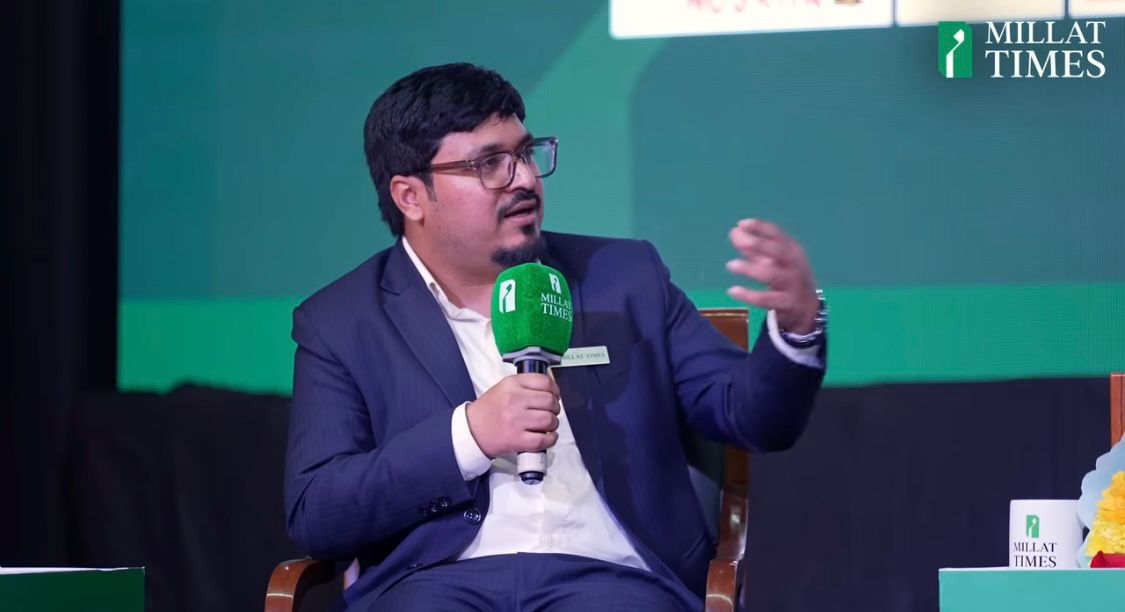




A takedown request issued by Kolkata Police against a video shared by journalist Shams Tabrez Qasmi has triggered criticism from journalists and digital rights activists, with many calling it another example of authorities using online laws to pressure independent media voices.
Kolkata Police sent notice to social media platform X seeking the removal of a video posted from his account. The video reportedly related to violence and unrest following recent election results in West Bengal. Before Qasmi, the video was shared by others, including Trinamool Congress MP and former journalist Sagarika Ghose.
In its notice, police described the video and accompanying commentary as “misleading” and “provocative”, claiming that the content could disturb public order, spread communal tension and potentially trigger violence. Authorities invoked Section 79(3)(b) of the Information Technology Act and Rule 3(1)(d) of the IT Rules, provisions that require social media intermediaries to remove allegedly unlawful content after receiving government or legal notice. Critics, however, say the use of these broad powers by police and lower-level authorities has increasingly come under scrutiny over concerns of censorship, selective enforcement and intimidation of journalists.
The action has drawn attention because no direct criminal proceedings against Qasmi have been publicly announced so far. Instead, the police sought removal of the content through the platform itself, a method critics say is increasingly being used to quietly suppress controversial reporting online.
Qasmi, editor-in-chief of Millat Times, said he learned about the police action only after receiving an email from X notifying him about the takedown request.
In a post on X, he accused authorities of attempting to silence independent journalism. He also questioned why action appeared to focus only on his account when, according to him, several others had shared the same video.
Qasmi specifically referred to Sagarika Ghose and leaders associated with All India Trinamool Congress, alleging that they too had posted the identical footage without facing similar scrutiny.
The apparent selective nature of the action has become a major point of criticism online. Journalists and free speech advocates argue that if authorities genuinely believed the content was dangerous or unlawful, action should have been applied uniformly rather than targeting a single independent journalist.
Digital rights activists say Indian authorities have increasingly relied on broad IT and public-order provisions to seek removal of online content, especially during politically sensitive situations. Critics argue that terms such as “misleading”, “provocative” and “threat to public order” are often vaguely interpreted, allowing governments and police agencies wide discretion to act against uncomfortable reporting.
Supporters of the police, however, argue that authorities have a responsibility to prevent communal unrest and stop the spread of content that could inflame tensions.
The controversy has once again reignited debate over censorship, platform compliance with government requests and the shrinking space for independent journalism in India.
As criticism mounted on social media, several users rallied behind Qasmi using the slogan “Journalism Is Not A Crime”, calling the police action an attempt to intimidate journalists reporting on politically sensitive violence and unrest.
Support Independent Media
Click Here and Join the Membership of Millat Times to Support Independent Media.
Support Millat Times