
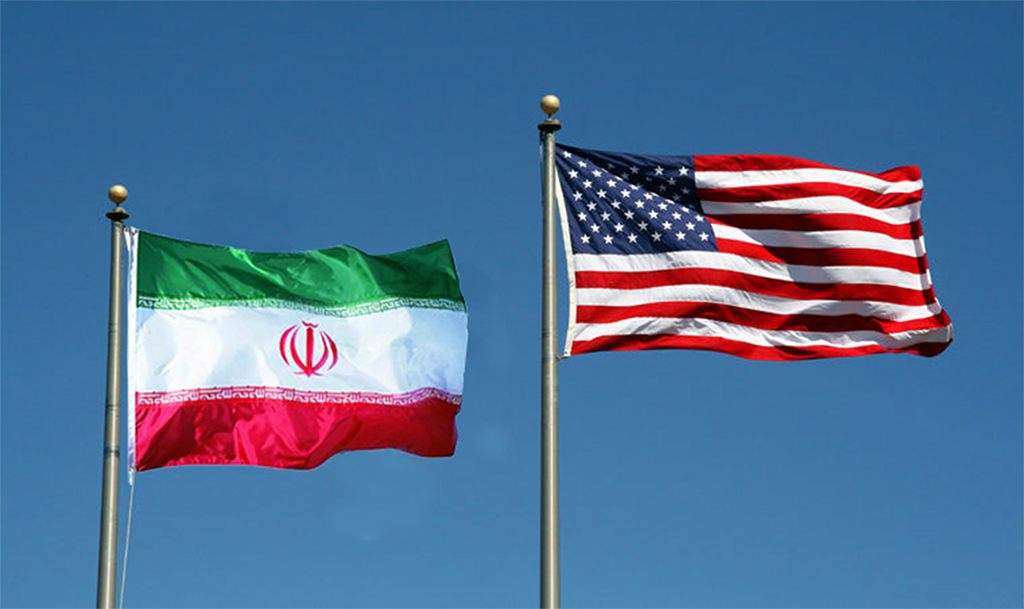




The recent confrontation involving Iran, the United States, and Israel has once again reshaped the political landscape of the Middle East. While military attacks, threats, and diplomatic pressure dominated international headlines, the most important question remains: Did America and Israel achieve their primary objectives in Iran?
In my view, the answer is largely no.
From the very beginning, one of the major objectives behind the American and Israeli pressure campaign against Iran was to weaken the Islamic Republic and ultimately create conditions for regime change. Many analysts believed that military strikes, economic pressure, and political isolation could destabilize the Iranian system. However, the reality has been different.
The Islamic Republic remains in place. Iran’s political and military structure is built on multiple layers of leadership and institutions. Even if one leader or commander is eliminated, there are numerous others ready to take responsibility. The system has demonstrated resilience despite years of sanctions, threats, assassinations, and military pressure.
A second major objective was to cripple Iran’s nuclear program. Israel repeatedly argued that Iran’s uranium enrichment capabilities must be destroyed, while the United States insisted that Tehran should abandon its nuclear ambitions. Yet Iran continues to maintain that its nuclear program is a sovereign national right and that uranium enrichment will continue within the framework determined by the Iranian state.
Although Washington and Tel Aviv have succeeded in damaging some facilities and increasing pressure on Iran, they have not achieved their ultimate goal of ending Iran’s nuclear program. The issue remains unresolved and continues to be a central point of disagreement in ongoing negotiations.
Another important objective of the United States and Israel was to reduce Iran’s influence across the region and weaken the network of groups aligned with Tehran, including Hezbollah in Lebanon, the Houthis in Yemen, and other movements that Iran considers part of the regional “Axis of Resistance.” However, Iran continues to publicly declare its support for these groups and has shown no indication that it is prepared to abandon them as a condition for peace.
Supporters of the American and Israeli strategy may argue that the campaign successfully degraded portions of Iran’s military infrastructure, weakened some regional allies, and forced Tehran back into negotiations. However, these achievements fall short of the broader strategic goals frequently discussed by policymakers and commentators, including a fundamental transformation of Iran’s political system and regional posture.
Iran has also consistently demanded an end to attacks on Lebanon and other regional allies. This demonstrates that Tehran continues to view itself as a major regional actor rather than a country willing to retreat under pressure.
The most surprising aspect of the conflict was Iran’s ability to withstand sustained military and political pressure. During weeks of confrontation, many expected Iran to be forced into major concessions. Instead, Iran demonstrated military capabilities that surprised both Washington and Tel Aviv and showed that it could impose costs on its adversaries as well.
Eventually, military escalation gave way to diplomacy and negotiations. This itself is significant. When wars end at the negotiating table, it often means that neither side has been able to impose a complete victory on the other.
Regional countries, particularly Qatar and several Gulf states, played an important role in encouraging dialogue and preventing a wider war. These countries understand that a prolonged regional conflict would damage the entire Middle East, regardless of who wins or loses. Stability remains their primary interest.
Pakistan also emerged as an important diplomatic player during the final phase of the crisis. Alongside Qatar, Saudi Arabia, and Türkiye, Islamabad supported mediation efforts aimed at preventing a wider regional war and bringing both Washington and Tehran back to the negotiating table. Pakistani Prime Minister Shehbaz Sharif publicly welcomed the reported agreement and thanked Qatar, Saudi Arabia, Türkiye, and other regional partners for their contributions to the peace process. According to reports circulating in diplomatic and regional media, a series of technical meetings will take place before the formal signing ceremony, which is reportedly scheduled to be held in Switzerland on June 19. The involvement of these regional powers highlights a broader consensus across the Muslim world and the Gulf region that stability and dialogue are preferable to another prolonged and devastating conflict in the Middle East.
The reported framework of the proposed US-Iran agreement further strengthens the argument that the war did not produce the strategic transformation that Washington and Tel Aviv had sought. According to details that have emerged so far, the agreement reportedly includes a permanent ceasefire, an end to military operations, the reopening of the Strait of Hormuz, the lifting of the US naval blockade, the suspension of sanctions on Iranian oil exports, and the release of $24 billion in frozen Iranian assets. It also reportedly commits the United States to withdrawing forces positioned around Iran and provides for negotiations on nuclear issues within a 60-day period.
Equally significant is what the agreement reportedly does not include. Discussions regarding Iran’s missile programme and its support for regional resistance groups have reportedly been removed from the negotiating agenda. Iran is also expected to verify American compliance before moving toward a final settlement, while portions of its frozen assets would be released before final negotiations begin.
If these reported terms are ultimately confirmed, they suggest that the core structure of the Islamic Republic remains intact. Iran’s political system has survived, its regional alliances remain in place, its missile programme has not been negotiated away, and its nuclear programme has not been dismantled. Rather than forcing Tehran into unconditional surrender, the conflict appears to have ended with both sides returning to negotiations.
In practical terms, the Middle East may be witnessing a return to a situation remarkably similar to that which existed before the war. The United States and Israel certainly imposed costs on Iran and demonstrated their military capabilities, but they do not appear to have achieved their most ambitious objectives: regime change, the collapse of the Islamic Republic, the elimination of Iran’s nuclear infrastructure, or the termination of Iran’s support for its regional allies.
This does not mean Iran has emerged without costs or challenges. The country continues to face economic pressure, sanctions, and security threats. Nor does it mean that the United States and Israel have abandoned their concerns regarding Iran’s nuclear program or regional influence.
However, if the original objectives were regime change, the collapse of the Islamic Republic, the complete destruction of Iran’s nuclear capabilities, and the end of Iran’s support for its regional allies, those objectives remain unfulfilled.
So the reality is that the United States and Israel didn’t change anything in Iran, did not succeed in their main agenda, and the status remains the same as it was before the war.
The war may have ended, but the strategic contest continues. Iran has survived the pressure campaign and remains a central player in the Middle East. The coming months will reveal whether negotiations can produce a sustainable agreement or whether the region is merely experiencing a pause before the next confrontation.
For now, one conclusion appears evident: Iran has demonstrated that it is far more resilient than many of its adversaries anticipated.
Support Independent Media
Click Here and Join the Membership of Millat Times to Support Independent Media.
Support Millat Times